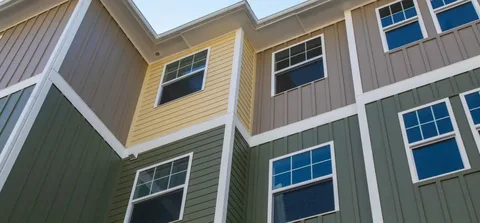
Choosing the right exterior material for your home is one of the most important decisions you can make during a new construction or renovation project. Your siding not only affects your home’s appearance but also plays a major role in protecting it from weather, moisture, pests, and everyday wear. Two common options homeowners often compare are cement cladding and traditional siding. Understanding the differences between these materials can help you make the best choice for your property’s needs and budget.
At Exterior Tech Siding And Roofing, we help homeowners select durable, attractive exterior solutions that provide long-term value. Here’s a closer look at cement cladding versus traditional siding and the key differences between them.
What Is Cement Cladding?
Cement cladding, often referred to as fiber cement siding, is made from a combination of cement, sand, cellulose fibers, and other reinforcing materials. It is designed to mimic the appearance of wood, stucco, or other exterior finishes while providing superior durability.
Common applications include:
- Residential homes
- Commercial buildings
- Modern architectural designs
- Exterior renovation projects
Its strength and longevity have made it a popular choice among homeowners seeking low-maintenance exterior protection.
What Is Traditional Siding?
Traditional siding is a broad category that includes several common materials such as:
- Vinyl siding
- Wood siding
- Aluminum siding
- Engineered wood siding
Each material offers unique benefits, but traditional siding options generally focus on affordability, ease of installation, and aesthetic flexibility.
Durability and Longevity
One of the biggest differences between cement cladding and traditional siding is durability.
Cement Cladding
- Highly resistant to impact damage
- Performs well in harsh weather conditions
- Resists cracking and warping
- Often lasts several decades with proper maintenance
Traditional Siding
- Durability varies by material
- Vinyl can crack in extreme temperatures
- Wood may rot or warp if not maintained
- Aluminum can dent from impacts
For homeowners prioritizing long-term performance, cement cladding often offers a significant advantage.
Moisture Resistance
Moisture protection is critical for preserving a home’s structure.
Cement Cladding
- Resists moisture penetration
- Less prone to rot
- Performs well in humid climates
- Helps protect underlying structures
Traditional Siding
- Wood siding requires regular sealing and maintenance
- Some materials may be more vulnerable to moisture-related issues
- Improper installation can increase water intrusion risks
Cement cladding generally provides stronger moisture resistance when properly installed.
Fire Resistance
Fire safety is another important consideration when choosing exterior materials.
Cement Cladding
- Made from non-combustible materials
- Offers excellent fire resistance
- May provide additional protection during wildfire exposure
Traditional Siding
- Fire resistance varies by material
- Wood siding is combustible
- Vinyl siding can melt when exposed to extreme heat
Homeowners concerned about fire safety often view cement cladding as a safer option.
Maintenance Requirements
Maintenance needs can significantly impact long-term ownership costs.
Cement Cladding
- Requires minimal maintenance
- Periodic cleaning and inspections
- Occasional repainting may be needed
Traditional Siding
- Vinyl requires occasional cleaning
- Wood requires painting, staining, and sealing
- Some materials demand more frequent upkeep
Cement cladding generally offers lower maintenance requirements than wood siding while providing long-lasting performance.
Appearance and Design Flexibility
Both options offer attractive design possibilities.
Cement Cladding
- Mimics natural wood grain
- Available in multiple textures and styles
- Supports modern and traditional designs
- Maintains appearance for many years
Traditional Siding
- Wide range of colors and profiles
- Various material choices available
- Can complement virtually any architectural style
Both options provide strong curb appeal, making appearance largely a matter of personal preference.
Pest Resistance
Exterior materials should help protect your home from pest-related damage.
Cement Cladding
- Resistant to termites
- Not susceptible to insect infestation
- Does not provide a food source for pests
Traditional Siding
- Wood siding may attract termites and other insects
- Some materials require additional pest prevention measures
Cement cladding offers a clear advantage in pest resistance.
Cost Considerations
Budget is often a major factor in siding decisions.
Cement Cladding
- Higher initial installation cost
- Longer lifespan may offset upfront investment
- Lower long-term maintenance expenses
Traditional Siding
- Often lower initial cost
- Maintenance and replacement costs may accumulate over time
- Pricing varies significantly by material type
Evaluating both short-term and long-term costs can help determine the best value.
Environmental Impact
Many homeowners today consider sustainability when selecting building materials.
Cement Cladding
- Long lifespan reduces replacement frequency
- Durable construction minimizes waste over time
Traditional Siding
- Environmental impact varies by material
- Some options may be recyclable
- Lifespan and maintenance needs affect sustainability
Both options can support environmentally responsible building goals depending on product selection.
Why Choose Exterior Tech Siding And Roofing
Exterior Tech Siding And Roofing provides professional siding and roofing services designed to enhance your home’s protection, appearance, and value. Their team offers:
- Cement cladding installation
- Siding replacement and repairs
- Exterior remodeling solutions
- Roofing services
- Expert craftsmanship and dependable service
Their experience helps homeowners select the ideal exterior materials for long-lasting performance.
Conclusion
Both cement cladding and traditional siding offer unique advantages, but they differ significantly in durability, maintenance requirements, moisture resistance, and long-term value. Cement cladding stands out for its strength, fire resistance, pest protection, and longevity, while traditional siding options may offer lower upfront costs and a wider range of material choices.
With guidance from Exterior Tech Siding And Roofing, homeowners can confidently choose the siding solution that best fits their budget, style preferences, and long-term goals, ensuring lasting protection and enhanced curb appeal for years to come.